
Understanding the Landscape of Fitness Events
In the ever-evolving world of fitness, planning a successful event is not merely about putting together a workout schedule or securing a venue. It’s a complex endeavor that requires a nuanced understanding of various factors that can significantly impact its success. As fitness enthusiasts increasingly seek unique and engaging experiences, event organizers must adapt to meet these rising expectations. This makes the planning process not just important, but critical for engagement and retention.
Mistakes in event planning can lead to disappointing attendance, lackluster participant experiences, and ultimately, wasted resources. If you overlook your target audience's needs, neglect effective marketing strategies, fail to seek feedback post-event, or underestimate the logistical challenges, you risk the viability of your event. Recognizing these pitfalls is essential for creating an impactful experience that resonates with participants and elevates your brand.
Successful fitness events are not just planned; they are crafted with intention and insight.— Fit Mindful Mavens
Essential Considerations for Successful Fitness Event Planning
When planning fitness events, several foundational concepts must be prioritized to ensure success. One of the most critical is understanding the specific needs and preferences of your target audience. This understanding allows you to tailor the event to their expectations, enhancing engagement and participation.

Another vital aspect is the marketing strategy you implement. Effective promotion can significantly impact event attendance. Utilize various platforms, such as social media, email newsletters, and community partnerships, to reach potential participants. Highlight unique features of your event to attract interest.
The Importance of Feedback
Incorporating feedback is crucial for continuous improvement. After each event, consider conducting surveys to gather insights from participants about their experiences. This information can guide future planning and help identify areas needing enhancement.
Logistics Matter
Lastly, never underestimate the logistics involved in organizing a fitness event. Key elements to consider include venue selection, equipment availability, safety protocols, and scheduling. A well-planned logistical framework ensures participants have a seamless experience, which can lead to higher satisfaction and retention rates.
Understanding your audience is the cornerstone of successful event planning.— Event Planning Expert
Avoiding Common Mistakes in Fitness Event Planning
Understanding Your Participants
One of the most critical mistakes organizers make is overlooking the specific needs and preferences of their target audience. Understanding demographics, fitness levels, and interests can tailor the event experience, ensuring it resonates with participants. For example, a fitness event targeting beginners may focus on basic workouts and accessible fitness education, while an advanced audience might prefer high-intensity challenges and expert workshops.
Effective Marketing Strategies
Neglecting marketing can lead to underwhelming participation. Utilize social media platforms, local fitness influencers, and community partnerships to promote your event. Create engaging content that highlights the unique aspects of your fitness event—such as guest speakers or innovative workout styles—to draw in attendees. A well-planned marketing strategy not only increases visibility but also builds excitement.
Incorporating Feedback
Failing to collect and analyze participant feedback can hinder future event success. Post-event surveys allow organizers to understand what worked well and what could be improved. For instance, if participants indicate they wanted more interactive sessions, future events can be adjusted to include that feedback, resulting in higher satisfaction and retention.
Planning Logistics
Underestimating logistical considerations can lead to chaos on the event day. Key aspects include proper venue selection, equipment availability, and staff training. For example, ensuring that there are enough fitness mats for all participants or that audio-visual equipment is functioning correctly can significantly enhance the overall experience.
Avoiding common mistakes in fitness event planning can make the difference between a good event and a great one.— Event Planning Expert
Common Mistakes to Avoid When Planning Fitness Events
Planning a successful fitness event requires careful consideration and attention to detail. However, there are several common pitfalls that can derail even the best-laid plans. Recognizing and avoiding these mistakes is essential for executing an event that meets the needs of your participants and achieves your goals.
Understanding Your Audience
One of the most critical missteps is overlooking the needs and preferences of your target audience. Failing to understand what motivates participants can lead to a disconnect between what the event offers and what attendees actually want. Conducting surveys or focus groups prior to planning can provide valuable insights to tailor your event accordingly.
Effective Marketing Strategies
Neglecting marketing efforts is another common mistake. Even the most well-planned event can fail without proper promotion. Utilize various channels such as social media, email newsletters, and local community boards to spread the word. Engaging content that highlights the unique aspects of your event can generate excitement and boost attendance.
Incorporating Feedback
Post-event feedback is invaluable for continuous improvement, yet many organizers fail to gather it. Implementing surveys can help you understand what worked well and what needs adjustment for future events. This step not only enhances your offerings but also shows participants that their opinions matter.
Logistics Matter
Lastly, underestimating the logistical aspects of your event can lead to chaos. Considerations such as venue accessibility, equipment needs, and scheduling are crucial for a seamless experience. A well-prepared logistics plan can significantly enhance participant satisfaction and overall event success.
Achieving Success in Fitness Events
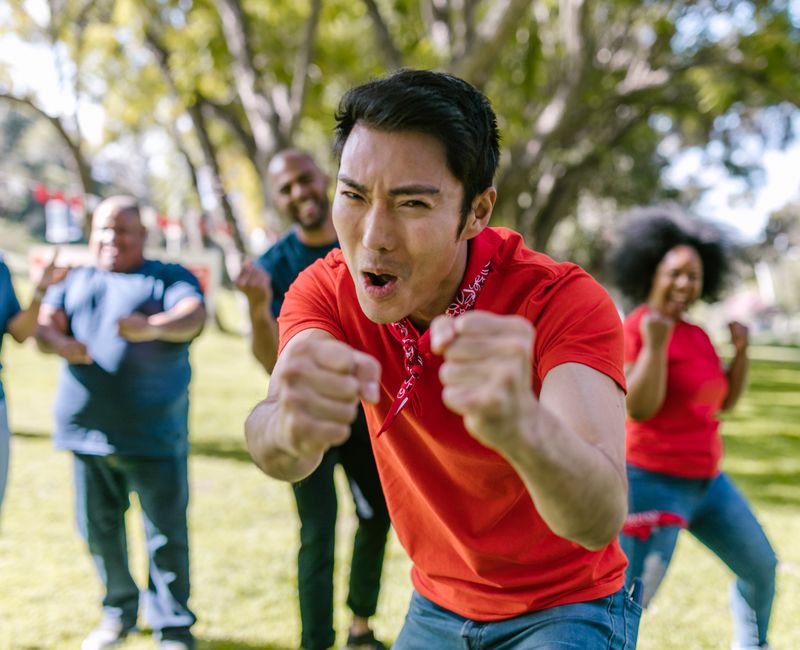
In conclusion, the success of your fitness event hinges on a comprehensive understanding of your audience, effective marketing strategies, and meticulous planning. By prioritizing these elements, you not only enhance participant engagement but also pave the way for future events that resonate with your community. Remember, a well-executed event can foster lasting connections and motivate individuals to prioritize their health and fitness.
Emphasizing the importance of feedback will ensure continuous improvement, allowing you to refine your approach and adapt to the evolving needs of your participants. Every detail, from logistics to marketing, plays a crucial role in creating an unforgettable experience.
Now is the time to take the insights you've gained and turn them into action. By applying these strategies, you can transform your fitness events into powerful tools for community engagement and personal empowerment.