
Understanding the Impact of Fitness in Real-Time Events
In the dynamic world of fitness events, the significance of real-time engagement cannot be overstated. Traditional approaches often focus on pre-planned workouts and predictable schedules, but what happens when the unexpected occurs? Your body is constantly processing information, responding to stressors, and adapting to changes in the environment. This intrinsic ability to keep score of our physical and mental state is crucial during live events, where the run of show can turn chaotic in an instant.
Why does this matter to you? Understanding how your body responds in unpredictable situations can enhance your performance, resilience, and overall wellbeing. It allows you to navigate challenges more effectively, whether that’s adjusting your workout plan on the fly or maintaining mental clarity amidst the hustle of an event. By acknowledging that fitness isn't just a routine but a dynamic experience, you empower yourself to thrive in any environment.
Your body keeps an ongoing score of every challenge, shaping your response in real-time.— Adapted from 'The Body Keeps the Score' by Bessel van der Kolk
Understanding the Body's Role in Fitness Events
At the heart of any fitness event lies a crucial principle: your body is not merely an instrument for performance; it serves as a scorecard that reflects your mental and physical state. This concept emphasizes that the way your body responds to challenges—whether they be physical exertion, mental fatigue, or emotional stress—provides essential insights into your overall wellness.

Recognizing the interplay between mind and body is vital. When we engage in fitness at events rather than simply planning fitness events, we create an environment where our physical capabilities and mental resilience are tested simultaneously. This holistic approach means that our bodies will naturally signal when we are overexerting ourselves or when we need to adjust our strategies.
Key Indicators of Your Body's Scorecard
- Heart rate variability
- Breathing patterns
- Muscle fatigue levels
- Mood fluctuations
Each of these indicators can guide you in making real-time decisions during fitness events. For instance, a sudden spike in heart rate may indicate that it's time to slow down, while a consistent drop in energy could suggest a need for nutritional replenishment. By listening to your body, you can enhance your performance and ensure a safer, more enjoyable experience.
Your body is the ultimate scorekeeper; it tells you when to push and when to pause.— Fitness Expert
Understanding the Impact of Physical Engagement at Events
When we talk about fitness at events, it’s essential to understand the practical implications of incorporating physical activities into these gatherings. Unlike traditional fitness events that follow a set agenda, integrating fitness into events means creating an atmosphere that encourages participants to engage their bodies while enjoying the overall experience.
Holistic Approaches to Event Fitness
To effectively plan fitness within an event, consider the following practical applications:
- Incorporate movement breaks into agendas, allowing attendees to stretch, walk, or participate in brief fitness challenges.
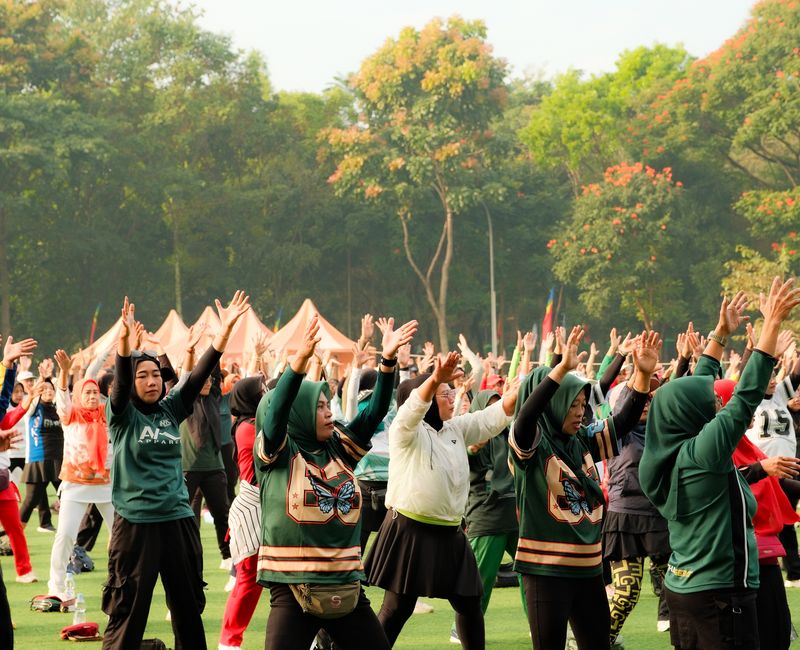
- Provide access to fitness stations or pop-up classes where participants can engage in activities like yoga, Zumba, or strength training throughout the event.
- Use gamification strategies, where attendees earn points for participating in physical activities, encouraging a friendly competition that enhances engagement.
Avoiding Common Pitfalls
While planning for fitness at events, be mindful of potential pitfalls that could detract from the experience. For instance:
- Overloading schedules with too many physical activities can lead to participant fatigue rather than enjoyment.
- Neglecting to consider various fitness levels can alienate attendees who may not feel comfortable participating in high-intensity activities.
- Failing to create adequate spaces for movement can result in safety concerns and discomfort.
Fitness at events is not just an addition; it's a transformation of the experience itself.
Common Pitfalls in Fitness Event Planning
Planning fitness at events can be exhilarating, yet it comes with specific challenges that can derail even the best-laid plans. Understanding these common pitfalls is crucial for ensuring a smooth experience for both organizers and participants.
Misalignment of Goals
One major mistake is the misalignment between event objectives and fitness goals. For instance, if an event focuses on promoting wellness but does not incorporate appropriate fitness activities, it may fail to engage attendees effectively. Always align the fitness offerings with the overarching goals of the event to ensure cohesion.
Underestimating Logistics
Logistics can make or break a fitness event. Underestimating requirements such as space, equipment, and personnel can lead to chaos. For example, if you plan a high-energy yoga session but do not provide enough mats or instructors, participants will have a subpar experience. Always conduct a thorough audit of logistics to anticipate needs.
Neglecting to consider the physical capabilities of your audience can result in injuries or disengagement. Always tailor fitness activities to the skill levels present.
Ignoring Feedback
Finally, ignoring participant feedback can lead to recurring mistakes. After each event, gather insights from attendees to understand what worked and what didn’t. This practice not only enhances future events but also builds a loyal community around your fitness initiatives.
Embrace the Journey to Holistic Wellness
As we conclude our exploration, it's essential to recognize that the true benefit of integrating fitness into events transcends mere physical activity. It cultivates resilience, enhances mental clarity, and fosters a community of like-minded individuals committed to holistic well-being. By embracing this approach, you not only equip yourself to face the inevitable challenges of life but also empower those around you to do the same.
Imagine attending an event where the atmosphere buzzes with energy, purpose, and a shared commitment to health. This is not just about exercise; it’s a lifestyle that encourages participants to be proactive about their wellness, ensuring they are prepared for whatever comes their way.
So, whether you're looking to host a fitness-forward event or simply seeking ways to incorporate movement into your daily life, the time to act is now. Take the first step toward a healthier, more resilient you.